Cybercrime: what we expect in 2026
Arjun Bisen analyzes emerging fraud trends heading into 2026 based on cybercriminal playbooks already circulating online. Key shifts include fraud operations moving from the dark web to mainstream social media platforms, AI agents transitioning from content generation to operational crime automation, and identity infrastructure becoming the primary attack target. Despite increased enforcement efforts through major Interpol-led crackdowns, systemic prevention remains the critical gap. The post highlights the most discussed CVEs and ransomware groups, emphasizing that defense requires coordinated action as cybercrime continues to evolve and scale.
 Arjun Bisen, CEO and cofounder

Spotted in the wild: the first "2026 fraud guides." Yes, cybercriminals are already publishing their playbooks for next year, so here's our defender-side summary of what we expect in 2026.
1. Fraud moves fully into social media. We're seeing a clear shift from the deep/dark web to Instagram, WhatsApp, Discord, X, and Telegram. Even more concerning: Meta Ads and Google Ads are being used for tricking users into clicking spoofed sites and precise targeting (e.g. mule recruitment, scam funnels). Social platforms are now core fraud infrastructure, not just distribution channels. (Why this matters)
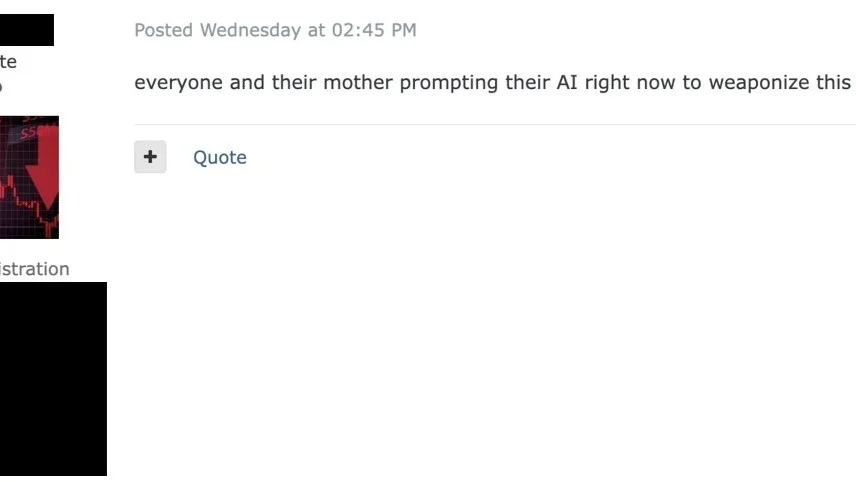
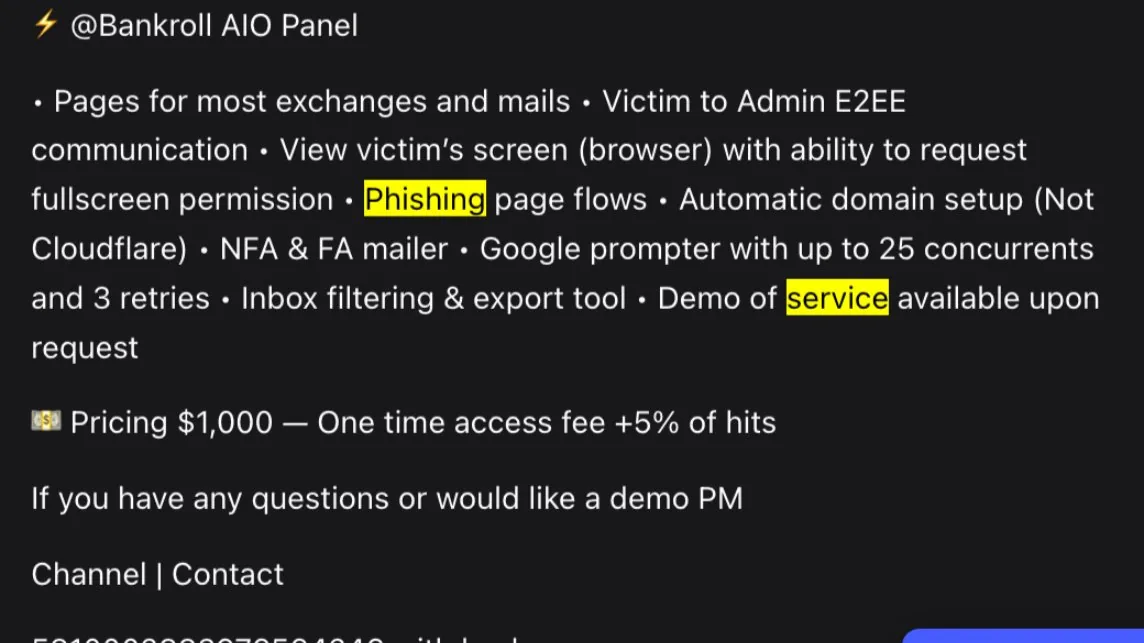
2. AI-powered crime gets operational. 2025 was about GenAI content. 2026 will be about AI agents. Browser and "computer use" agents can now:
- Mimic human behavior
- Run enumeration and card/account testing
- Mass-exploit CVEs and glitches
- Scale phishing, BEC, and impersonation with near-perfect language
We're also seeing:
- Surge in smishing and vishing
- Compromised business email accounts used as staging points for downstream fraud
3. What's not changing? Check fraud (especially in the U.S.). Despite declining check usage, losses keep growing due to:
- Continued paper check reliance
- Fragmented banking & postal systems
- Slow settlement and reconciliation
Mail theft, check washing, and synthetic identity cash-out networks are still thriving.
4. Enforcement is improving, but not keeping up. 2025 saw major Interpol-led crackdowns (hundreds of arrests, thousands of scam assets disrupted). But these cases highlight a hard truth: enforcement alone doesn't scale without systemic prevention.
5. CVEs that will matter most in 2026. Not the flashiest ones, the most monetizable ones:
- Identity & access infrastructure (SSO, IAM, auth bypass)
- Edge devices (VPNs, firewalls, gateways)
- Widely deployed SaaS platforms
- Cloud IAM and control planes
- Low-friction auth bypass and logic flaws
Identity is now the primary security target. Prediction: any auth-bypass CVE in a top-5 identity platform will be exploited in days, not weeks, in 2026.
Fighting cybercrime is a team sport, and defense wins with coordination. Excited to continue being a key partner to you all in 2026.
Fifteen years in global risk at Stripe, Google and Twitter, including leading Stripe's fraud intelligence and onboarding risk team.
Cyber Pulse, in your inbox.
What changed in the threat landscape, what risk teams should watch, and one operational takeaway. Written by Arjun and Zara.
Stop chasing alerts. Start working ahead of them.
Overwatch turns real-time understanding of the criminal underground into the investigations and risk decisions your fraud and security teams have to make every day.